Key Takeaways
- AI is already reshaping surgical practice. Success depends on choosing tools that integrate seamlessly and deliver measurable value.
- Automation reduces burnout and billing risk, giving providers more time to focus on patient care and accurate documentation.
- Surgery-Cloud’s All In Intelligence represents the next evolution of AI in medicine—intelligent workflows designed by physicians to remove barriers and streamline care.
- Learn more about how All In Intelligence helps practices work smarter.
Artificial intelligence has captured global attention—and it’s now an integral part of how surgical practices function. From scheduling and documentation to billing and pre-op coordination, AI is transforming how surgeons manage their day.
But adoption also brings uncertainty. Which AI tools truly enhance clinical care? How do you modernize without disrupting workflow? And how do you tell the difference between proven innovation and clever marketing?
During AI in Medical Practices: What Works and What’s Just Hype, Dr. Michael Dunn, CEO of Gateway Urgent Care and board member of the Arizona Medical Association, joined Adam Finzen, DPM, Director of Business Development at WRS Health, to help providers navigate the fast-changing AI landscape.
Their conversation explored the AI tools that are making a measurable difference, common pitfalls to avoid, and why effective AI in surgery must be built to fit the way providers already work.
Here are five highlights from the session—and practical steps to help you put them to use in your own practice.
Table of Contents
1. The Surgery AI Market Is Booming—But Not Everything Delivers Value
AI adoption in surgical care has accelerated dramatically. A 2025 survey of 43 U.S. health systems found that all had adopted at least one ambient AI tool for clinical documentation, yet only 53% reported a high degree of success.
Dr. Dunn called this trend “AI inflation”—a rush of solutions promising big results without real evidence or integration.
Many of these systems are built for large hospital networks, not independent surgical practices. Others require extra logins, steep subscription fees, or interfere with established workflows. What should save time often ends up creating more work.
Put It Into Practice:
Evaluate AI through measurable results—time saved, errors reduced, and revenue protected. The right tools integrate directly into your EHR. If you can’t identify a clear benefit within the demo, it’s probably not the right solution.
2. Surgery Practices Need AI to Stay Competitive
AI for surgery practices is no longer optional—it’s essential. Payers are already using AI to pre-screen and downcode claims, putting financial pressure on providers. Practices that match this level of efficiency can protect revenue and avoid costly delays.
Dr. Dunn explained that surgical practices using AI for coding assistance, pre-encounter documentation, and claims management experience fewer denials and faster reimbursement.
Automating chart prep and audit documentation helps surgeons and staff reclaim hours each week while improving billing precision.
Put It Into Practice:
Identify the administrative tasks that take the most time—documentation, coding checks, or eligibility verification. Start implementing AI in those areas where it can yield the fastest gains in accuracy and efficiency.
3. What’s Actually Working Right Now
The most effective AI in medicine isn’t one-size-fits-all. It’s targeted, specialty-driven, and focused on real workflow improvements.
Dr. Dunn shared several areas where AI is delivering measurable impact for practices today:
- Ambient listening (AI Scribes): Automatically capture visit notes through secure, real-time transcription, reducing documentation time.
- Coding Assistants: Recommend codes based on documented care, improving accuracy and compliance.
- AI Search and Summaries: Quickly surface relevant details from incoming CCDAs and external records, giving providers the data they need in seconds.
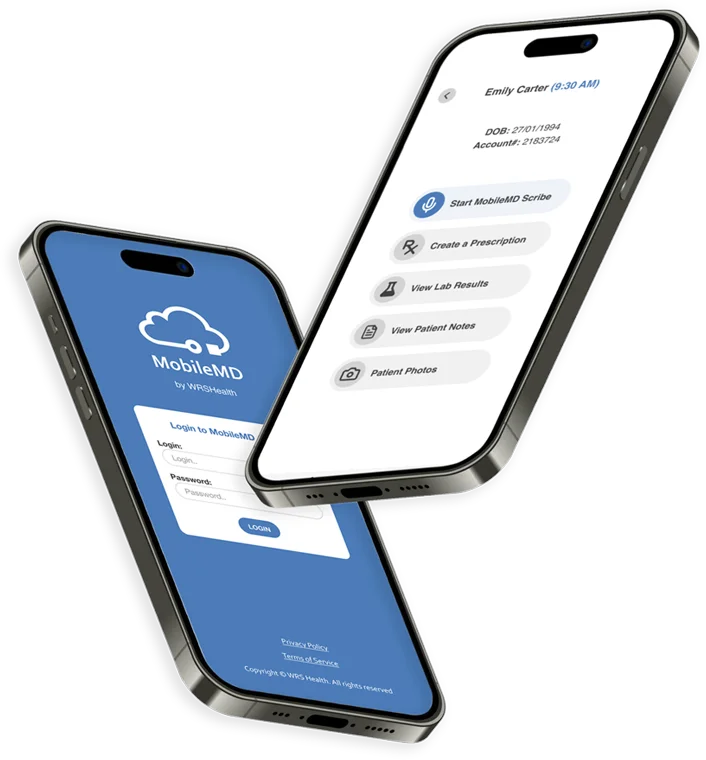
- Mobile AI Apps: Extend secure access to charts, telehealth sessions, and prescribing tools.
- Patient Intake Assistants: Streamline registration by guiding patients through digital forms before appointments.
Integration determines success. AI built directly into your EHR supports clinical flow; AI that sits outside of it disrupts it.
Put It Into Practice:
Adopt AI tools that align with your workflow and require minimal retraining. The most effective systems feel invisible—enhancing care without getting in the way.
4. The Hype to Avoid in AI for Surgery
Not every “AI-powered” solution delivers on its promise. Dr. Dunn encouraged practices to stay skeptical of:
- Predictive diagnosis agents that promise to “replace” physician reasoning
- Generic tools not tuned for specialty workflows
- Add-on subscriptions that don’t connect with your EHR
- Broad claims of saving time and money with no data to back them up
These tools may sound impressive but often fail to hold up in practice. The goal isn’t to automate surgeons—it’s to empower them with precision and efficiency.
Put It Into Practice:
Ask vendors specific questions: How does this make our workflow faster or safer? Can you show results from similar practices? If the answers aren’t clear or data-backed, proceed carefully.
5. Intelligent Surgery AI Removes Barriers for Providers
AI’s greatest strength often lies in what you don’t notice—it quietly improves care behind the scenes. Surgery-Cloud’s All In Intelligence is designed with that philosophy in mind.
Instead of living in dashboards or disconnected tools, it’s embedded directly into everyday workflows. From pre-op scheduling to chart prep, documentation, and billing, intelligent agents automate repetitive steps, reduce clicks, and deliver information exactly when it’s needed.
Built by physicians for physicians, these systems restore balance to surgical practice and make technology feel natural again. As Dr. Dunn summed it up, “AI should take away friction, not add it.”
Put It Into Practice:
Audit your current systems and ask: Where does friction live in our day? Those are the areas where embedded AI can have the most immediate, meaningful impact.
AI That Supports Real-World Surgical Care
The key message from Dr. Dunn’s session is simple: the question isn’t whether to use AI—it’s how to implement it with intention.
Surgical practices that adopt technology deliberately and data-first will gain the most. AI can’t replace the skill, focus, or intuition of a surgeon—but it can support them with cleaner data, faster documentation, and greater precision.
With All In Intelligence, Surgery-Cloud leads the way in designing AI that simplifies, connects, and frees providers to do what they do best: deliver exceptional surgical care.